DVT Management
Expert DVT Management in Indore for Timely Clot Diagnosis and Treatment
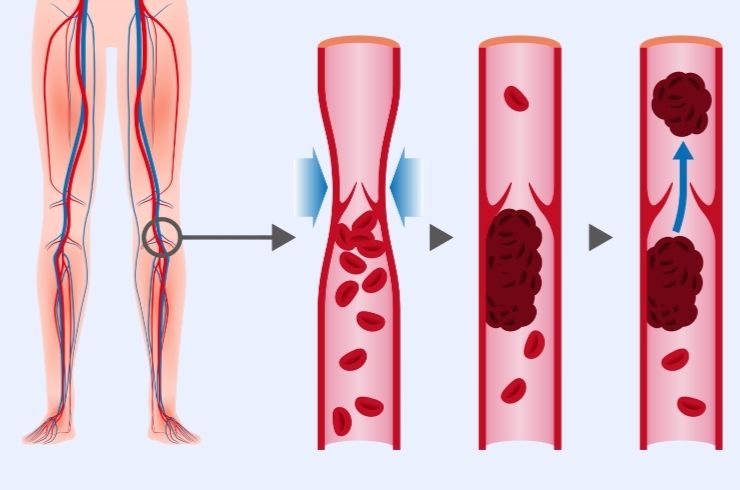
Deep Vein Thrombosis (DVT) occurs when a blood clot develops within a deep vein, commonly affecting the legs. If left untreated, a clot can grow or potentially travel to the lungs, causing a pulmonary embolism. In Indore, timely evaluation of symptoms, vascular reports, medical history, and overall condition helps guide appropriate treatment and reduce the risk of complications.
Benefits of DVT Management
- Helps prevent clot progression
- Can reduce pain and swelling associated with DVT
- Helps lower the risk of pulmonary embolism
- Supports prevention of swelling-related complications
- Helps reduce the likelihood of recurrent DVT
- Enables timely assessment of clot-related risks
- Supports appropriate long-term vascular care and monitoring
When Should You Consult for DVT?
A vascular evaluation in Indore may be recommended if you experience:
- Sudden or persistent swelling in one leg
- Leg pain, tenderness, or unexplained discomfort
- Warmth or redness over a particular area of the leg
- Unexplained heaviness or tightness in the affected limb
- A history of DVT or blood clots
- Symptoms following prolonged immobility, surgery, or hospitalization
- Previously diagnosed DVT requiring follow-up
- Symptoms or concerns suggesting pulmonary embolism
DVT Care in Indore
Early diagnosis and appropriate management of DVT can help prevent clot progression and reduce the risk of serious complications. Evaluation may include clinical assessment and appropriate vascular investigations to understand the location and extent of the clot. Patients in Indore experiencing unexplained leg swelling, pain, or other symptoms suggestive of DVT can seek timely specialist vascular evaluation and appropriate treatment guidance.