
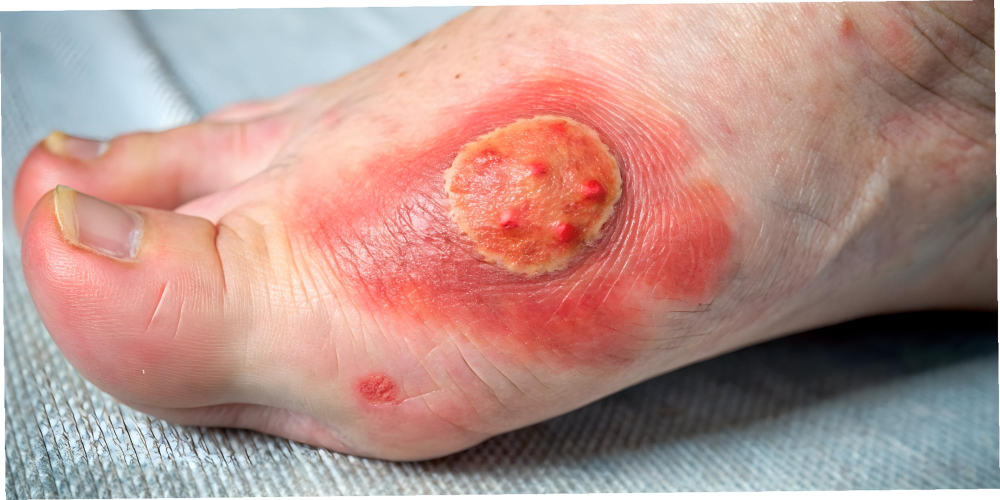
What Are Diabetic Foot Ulcers?
Diabetic foot ulcers are open sores or wounds that form on the feet of people with diabetes. Often, these ulcers start as small cuts or blisters. Because diabetes can affect how your body heals, these wounds may not close quickly. Over time, they can get worse if not treated. In many cases, nerve damage from diabetes means you might not feel pain from a sore. As a result, you may not notice the problem right away. Early care for diabetic foot ulcers is important to prevent serious health issues.
Symptoms of Diabetic Foot Ulcers
It is important to know the signs of a diabetic foot ulcer. Early detection can help you get the right care. Watch for these symptoms:
If you notice any of these signs, seek medical attention right away. Quick action can prevent the ulcer from getting worse.
Causes and Risk Factors
People with diabetes are more likely to get foot ulcers for several reasons. First, high blood sugar can damage nerves in your feet. This nerve damage, called neuropathy, makes it hard to feel pain or injury. Second, diabetes can also cause poor blood flow. Without enough blood, wounds heal slowly. In addition, high blood sugar weakens your immune system, making it harder to fight infection. Other risk factors include:
Because of these risks, people with diabetes need to check their feet daily.
Why Early Care Matters
Early care for diabetic foot ulcers can make a big difference. When you treat a wound quickly, you lower the risk of infection. Infections can spread fast and may lead to serious problems, such as bone infection or even amputation. According to the CDC, early treatment for diabetic foot ulcers helps prevent these severe outcomes. Also, early care can reduce pain and help you heal faster. For this reason, do not wait to see a healthcare provider if you notice a sore on your foot.
Diagnosis and Medical Evaluation
Healthcare professionals use several steps to diagnose diabetic foot ulcers. First, they will examine your foot and ask about your symptoms. Next, they may clean the wound to see how deep it is. Sometimes, doctors use special tools to check for infection or bone involvement. In some cases, you may need tests such as:
With a full evaluation, your healthcare team can plan the best treatment for you.
Treatment Options
Treating diabetic foot ulcers often requires several steps. First, your doctor will clean the wound and remove dead tissue. This helps the ulcer heal faster. Next, you may need special dressings to keep the area moist and protected. Sometimes, doctors prescribe antibiotics if there is an infection. In addition, you may need to keep weight off the sore by using crutches, a wheelchair, or special shoes. For severe ulcers, surgery may be needed to remove damaged tissue or improve blood flow. Throughout your care, healthcare professionals will guide you and monitor your progress.
Prevention Tips
Preventing diabetic foot ulcers is possible with daily care. Here are some tips to help protect your feet:
By following these steps, you can lower your risk of developing diabetic foot ulcers. According to the World Health Organization, good foot care and blood sugar control are key to preventing problems.
Conclusion
If you notice any signs of a foot ulcer, do not wait. Schedule a consultation with Dr. Rajat Maheshwari to get expert care and protect your health.