What Are Varicose Veins?
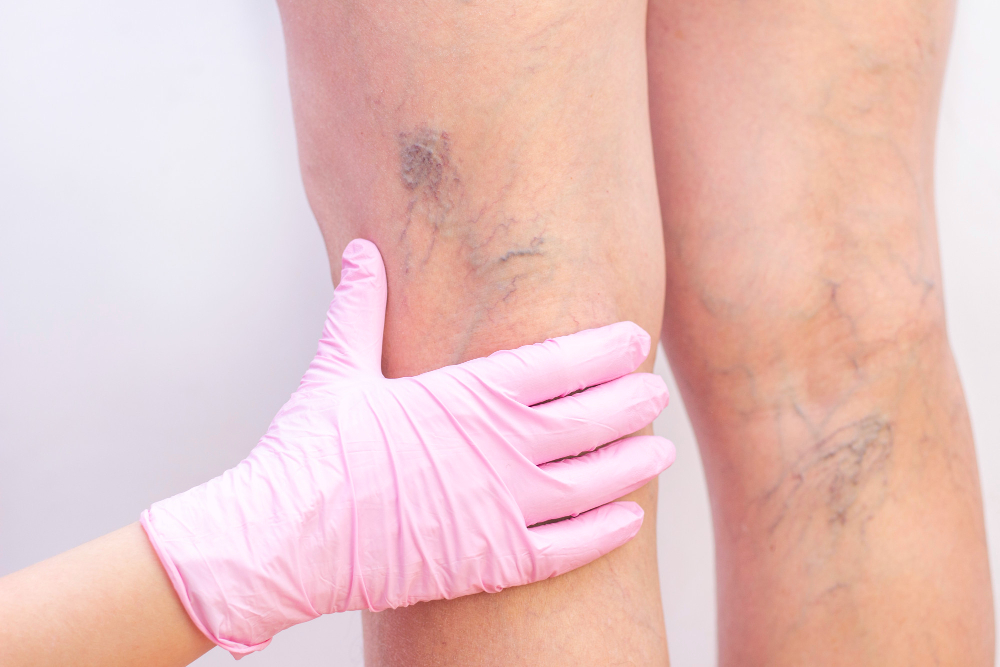
Varicose veins are twisted, swollen veins that often appear on the legs. They may look blue or purple. Usually, these veins form when blood does not flow well back to the heart. As a result, the veins become enlarged and visible under the skin. According to the World Health Organization (WHO), varicose veins are a common leg vein problem, especially in adults. While they may seem harmless at first, they can lead to discomfort and other health issues if left untreated.
Why Recognizing Early Signs Matters
Recognizing the early signs of varicose veins is important for your vein health. Early detection can help prevent more serious problems. For example, untreated varicose veins may cause pain, swelling, or even skin sores. In some cases, they can lead to blood clots. Therefore, noticing symptoms early allows you to seek help and lower your risk of complications. The Centers for Disease Control and Prevention (CDC) also notes that early care can improve your quality of life.
Early Signs of Varicose Veins You Should Not Ignore
Many people notice changes before varicose veins become obvious. However, these early signs can be easy to miss. Watch for the following symptoms of varicose veins:
Sometimes, these symptoms come and go. Still, if you notice any of them, it is wise to pay attention. Early action can help you manage leg vein problems before they get worse.
Causes and Risk Factors
Varicose veins develop when the valves inside your veins do not work well. Normally, these valves keep blood moving toward the heart. But when they weaken, blood can pool in the veins. As a result, the veins stretch and become varicose. Several factors can raise your risk, including:
Even though some risk factors cannot be changed, making healthy choices can help protect your vein health.
How Varicose Veins Are Diagnosed
If you notice early signs of varicose veins, a doctor can help with diagnosis. First, your doctor will look at your legs and ask about your symptoms. Next, they may use an ultrasound to check blood flow in your veins. This test is painless and helps find any blocked or damaged veins. Sometimes, other tests may be needed to rule out more serious problems. According to peer-reviewed medical journals, early diagnosis can help guide the best treatment plan.
When to See a Doctor
Although mild symptoms may not seem urgent, it is important to see a doctor if:
Early medical care can help prevent complications and improve your comfort. For more information, the CDC and WHO recommend regular check-ups for people at risk.
Prevention and Lifestyle Tips
While you cannot always prevent varicose veins, some steps can lower your risk. For example, staying active helps blood flow in your legs. In addition, keeping a healthy weight reduces pressure on your veins. Try these tips for better vein health:
With these simple changes, you can support your leg vein health and lower your risk of problems in the future.
Get expert guidance tailored to your health needs. Consult Dr. Rajat Maheshwari