Good blood circulation is vital for your health. It helps deliver oxygen and nutrients to every part of your body. However, sometimes blood flow can slow down or get blocked. In these cases, vascular surgery may help. This blog explains how vascular surgery helps improve blood circulation and supports vascular health.
What Is Vascular Surgery?
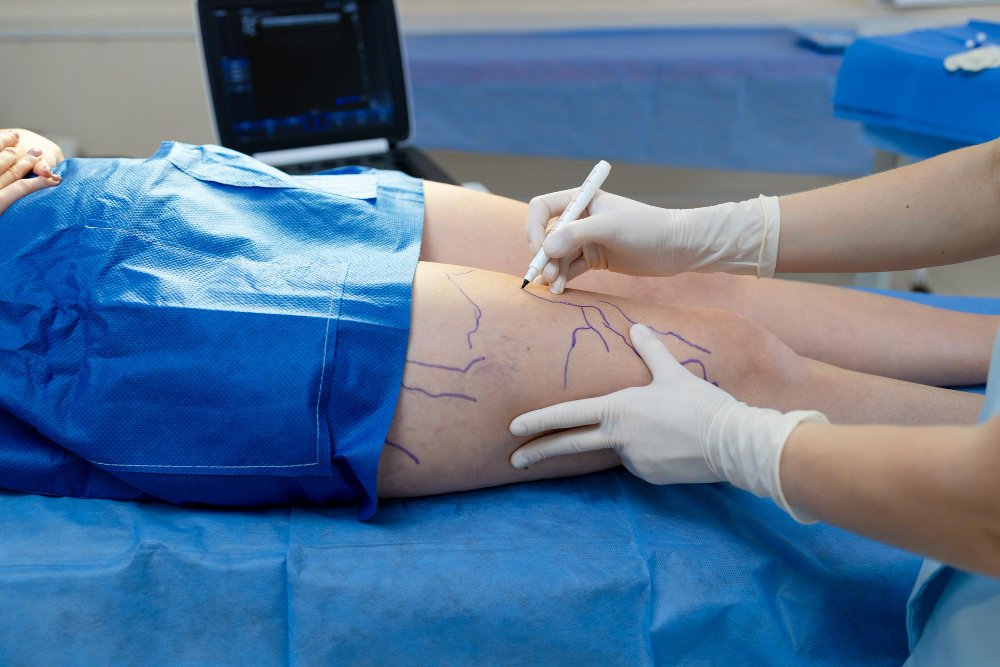
Vascular surgery is a type of medical treatment. It focuses on blood vessels, such as arteries and veins. These vessels carry blood throughout your body. Sometimes, they can become narrow or blocked. When this happens, doctors may suggest vascular surgery. For example, they may use surgery to open blocked vessels or remove clots. As a result, blood can flow more easily again.
Common Circulatory Problems Addressed by Vascular Surgery
Many people face problems with blood flow. Vascular surgery can help treat several of these issues. Some common problems include:
Because these problems affect blood flow, treating them can improve your overall health.
How Vascular Surgery Improves Blood Flow
Vascular surgery uses different methods to restore healthy blood flow. For instance, doctors may:
Because these treatments help blood move freely, your organs and tissues get more oxygen. This can reduce pain, swelling, and other symptoms of poor circulation. According to the CDC, treating blood vessel problems early can lower the risk of heart attack and stroke.
Benefits and Risks of Vascular Surgery
Vascular surgery offers many benefits. For example, it can:
However, like any surgery, there are some risks. These may include:
Still, most people recover well, especially when they follow their doctor’s advice.
Recovery and Lifestyle Tips After Vascular Surgery
After surgery, taking care of yourself is important. Here are some tips to help you recover and keep your blood flowing well:
Because healthy habits support your recovery, they also help prevent future problems.
Prevention and When to See a Specialist
While vascular surgery can help, preventing blood vessel problems is best. You can protect your vascular health by:
However, if you notice signs of poor circulation, such as leg pain, swelling, or wounds that do not heal, see a specialist. Early treatment can prevent serious problems and improve your quality of life.
In summary, vascular surgery helps improve blood circulation and supports your overall health. If you have concerns about your blood flow, consult a vascular specialist Dr. Rajat Maheshwari for personalized advice on improving your blood circulation.