Many people notice changes in their leg veins as they age. But what is the difference between varicose veins vs spider veins? Understanding these two common vein problems can help you spot signs early. In many cities, including your local area, people seek help for both conditions. Knowing how to identify vein problems is important for your health and comfort.
What Are Varicose Veins?
Varicose veins are swollen, twisted veins that often appear on the legs. Usually, they look blue or purple. Because they are close to the skin, you can often see or feel them. These veins may bulge out and sometimes cause discomfort. According to the CDC, varicose veins happen when blood pools in the veins due to weak valves.
Sometimes, varicose veins can lead to more serious problems if left untreated.
What Are Spider Veins?
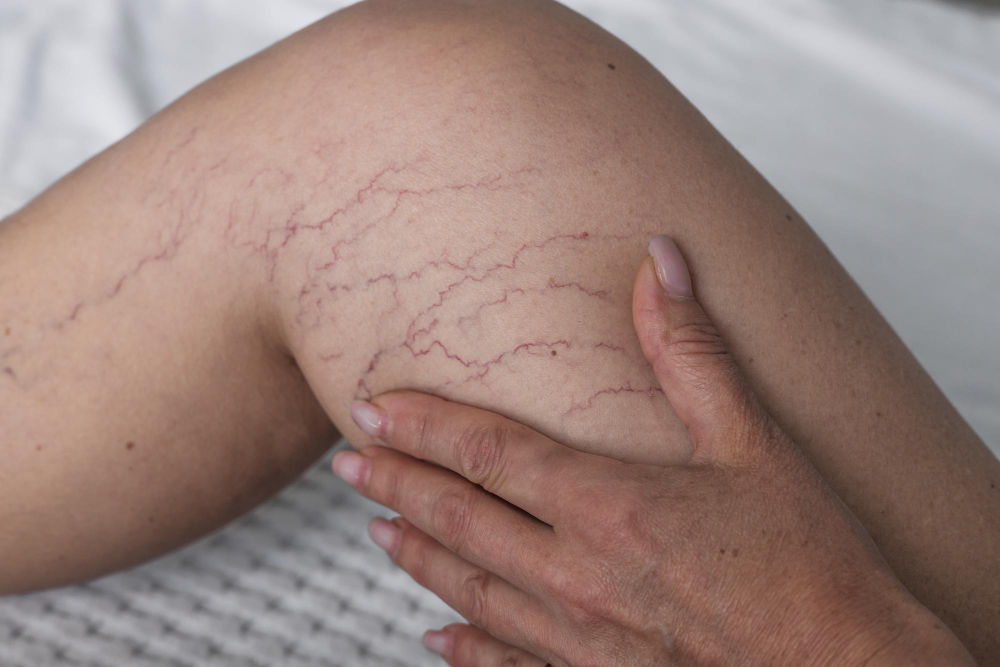
Spider veins are much smaller than varicose veins. They appear as thin, red, blue, or purple lines on the skin. Unlike varicose veins, spider veins do not bulge. Instead, they look like a web or tree branches. While they can appear anywhere, they are most common on the legs and face. The American Academy of Dermatology notes that spider veins are usually painless but can cause mild discomfort in some cases.
Although spider veins are mostly a cosmetic concern, they can signal vein health issues.
Key Differences Between Varicose Veins and Spider Veins
Both types of veins can affect your appearance and comfort. However, there are clear differences between varicose and spider veins. For example, varicose veins are larger and can cause more pain. In contrast, spider veins are smaller and usually do not hurt.
Knowing these differences can help you decide when to seek care.
Symptoms to Watch For
Sometimes, vein problems cause more than just visible changes. Therefore, it is important to watch for symptoms. Early signs can help you get treatment sooner. According to the CDC, common symptoms include:
If you notice these signs, talk to a vein specialist in your area.
Causes and Risk Factors
Many things can cause varicose veins and spider veins. For instance, weak vein walls or valves can lead to blood pooling. In addition, certain risk factors make some people more likely to develop these problems. The World Health Organization lists common risk factors:
Because these factors often run in families, you may be at higher risk if relatives have vein issues.
Diagnosis Methods
Doctors use several ways to diagnose vein problems. First, they will ask about your symptoms and health history. Next, they will examine your legs or affected areas. Sometimes, they use a simple test called an ultrasound. This test uses sound waves to show blood flow in your veins. According to the CDC, ultrasound is safe and painless. It helps doctors find out if valves are working well or if there are clots.
In some cases, your doctor may suggest other tests to check for deeper vein problems.
Treatment Options
There are many ways to treat varicose veins and spider veins. The best treatment depends on your symptoms and vein health. For mild cases, doctors may suggest simple steps at home. For example, wearing compression stockings can help blood flow. In addition, raising your legs and moving often can ease discomfort.
Because every person is different, your doctor will help choose the right option for you.
Prevention and Lifestyle Tips
While you cannot always prevent vein problems, you can lower your risk. For instance, staying active helps keep your veins healthy. Also, avoid standing or sitting for long periods when possible. If you live in a city where walking is easy, take short walks during the day. The CDC suggests these tips for better vein health:
With these habits, you can support your vein health and reduce the chance of future problems. Consult Dr. Rajat Maheshwari for treatment of varicose or spider veins.